

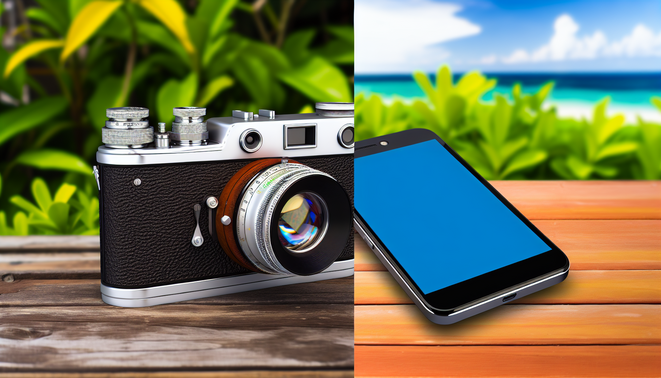
The Evolution of Smartphone Cameras
Smartphone cameras have undergone remarkable evolution since their inception, transforming from basic tools into sophisticated photography devices that rival professional cameras. Initially, smartphones featured low-resolution cameras with limited functionality. However, as consumers demanded better photo quality, manufacturers responded with rapid advancements in technology.
The introduction of higher megapixel counts was one of the earliest improvements. Early models, such as the 1.3 MP camera of the original iPhone, paved the way for future innovations. By 2023, flagship smartphones commonly boasted cameras with 100 MP sensors, allowing for stunning image detail and clarity [Source: TechRadar].
Additionally, advancements in optics have played a crucial role in improving smartphone cameras. Features like optical image stabilization (OIS), multiple lens setups (wide-angle, telephoto, macro), and sophisticated autofocus systems enable users to capture crisp, high-quality images in various settings. The integration of computational photography has also revolutionized the landscape, allowing smartphones to enhance images through software manipulations, such as Night Mode and portrait effects [Source: CNET].
User-friendly features have also flourished, making photography accessible to all. Intuitive interfaces, advanced editing tools, and the rise of smartphone photography apps empower users to enhance their photos with minimal effort. The addition of AI-driven features like scene recognition and improved image processing further assists users in achieving professional-looking shots, regardless of their skill level [Source: Digital Trends].
As smartphone cameras continue to evolve, we can expect further innovations, such as augmented reality integrations and improved low-light performance, solidifying their place as essential tools for both casual users and professional photographers alike.
Advantages of Stand-Alone Cameras
Stand-alone cameras, compared to smartphones or integrated systems, offer significant advantages that cater to photography enthusiasts and professionals alike.
Superior Image Quality
Stand-alone cameras generally have larger sensors than those found in smartphones, which significantly enhances image quality. These sensors allow for greater light sensitivity, leading to better performance in low-light conditions and increased dynamic range. For instance, full-frame DSLR and mirrorless cameras can capture more detail and produce images with richer colors and less noise, especially at higher ISO settings [Source: Digital Photo Mentor].
Extensive Lens Options
Another advantage of stand-alone cameras is the flexibility in lens choices. Photographers can select from a variety of lenses—wide-angle, telephoto, macro, and more—to suit their creative needs. This ability to change lenses allows for specific shooting styles and techniques, contributing to improved results in various environments, whether it’s capturing landscapes or close-up portraits [Source: B&H Photo Video].
Enhanced Versatility
Stand-alone cameras excel in diverse shooting conditions. Many feature customizable settings and modes that can be tailored to specific scenarios like action shots, long exposures, or HDR photography. Moreover, their build quality often includes weather sealing, making them suitable for outdoor photography in challenging conditions. This versatility is something that integrated systems struggle to match [Source: Photography Life].
Better Control
The ergonomic design and manual controls of stand-alone cameras provide users with enhanced control over their shooting experience. Features such as adjustable shutter speed, aperture, and ISO settings allow photographers to experiment and adapt quickly during shoots, ensuring they can capture the desired moment effectively [Source: The Phoblographer].
In essence, stand-alone cameras bring together image quality, lens versatility, and enhanced operational control, making them an invaluable tool for anyone serious about photography.
Limitations of Smartphones for Photography
Smartphones have revolutionized photography, making it accessible to the masses, but they do come with notable limitations when compared to dedicated cameras. One primary drawback is sensor size. Dedicated cameras, especially DSLRs and mirrorless models, typically feature larger sensors, which can capture more light and detail, resulting in higher-quality images with better dynamic range and lower noise in low-light conditions. In contrast, the smaller sensors in smartphones can struggle with similarly challenging lighting, leading to compromised image quality [Source: Digital Trends].
Another limitation of smartphones is the lack of comprehensive manual controls. While many smartphones offer advanced features and even manual modes, they often do not match the level of customization available in dedicated cameras. Photographers rely on manual adjustments for aperture, shutter speed, and ISO to achieve precise control over exposure and depth of field [Source: Popular Photography]. This restricted control can hinder creative expression and specialized shooting techniques that dedicated cameras facilitate.
Finally, the lens options available for smartphones remain limited. While some high-end smartphones come equipped with multiple lenses, dedicated camera systems can utilize a wide array of lenses, including prime, zoom, and specialty lenses designed for specific types of photography. This versatility allows photographers to adapt their gear to various shooting scenarios more effectively than smartphones can [Source: Format Magazine].
In summary, while smartphones offer portability and convenience, their limitations in sensor size, manual controls, and lens versatility can impact the photographic experience and results when compared to dedicated cameras.
Intended Use and Target Audience
For individuals or businesses considering photography solutions, understanding the intended use and target audience is crucial. Professional photographers, who require high-quality images for portfolios, commercial work, or intricate projects, benefit significantly from investing in advanced equipment and software tailored to their needs. High-end cameras, specialized lenses, and powerful editing software can elevate their work quality, ensuring that they meet client expectations and industry standards.
On the other hand, casual users, such as families looking to capture memories or social media enthusiasts, may find that entry-level cameras or smartphones are more than adequate for their needs. These users typically prioritize convenience, ease of use, and affordability over the high-end specifications that professionals demand. For instance, a smartphone camera with a good lens can often capture delightful images for sharing on social platforms, making it a cost-effective choice for those who don’t require professional-grade output.
Furthermore, niche markets like travel or event photography tend to bridge both segments, where both casual enthusiasts and professionals share a common interest in quality but approach it from different capabilities and investment levels. Understanding the balance between these needs can help potential buyers make informed choices based on their specific imaging requirements.
For more insights on photography solutions, check out our article on Capturing the Moment: Photography Essentials that covers a variety of options suitable for different user bases.
Case Studies: Photographers’ Perspectives
Photographers across the spectrum have embraced the advancements in technology, exploring the nuanced strengths of both stand-alone cameras and smartphones in their craft. Here we delve into their experiences.
Mark Wilson, Landscape Photographer
Mark has extensively used both a DSLR and his smartphone for landscape photography. He highlights the dynamic range and detail captured by his DSLR, especially in low-light situations where his phone often falls short. However, he acknowledges the convenience and immediacy that his iPhone provides, allowing him to share images directly to social media without the drawn-out editing process typical of DSLR shots. “There’s a beauty in spontaneity,” he shares, noting how his smartphone often captures candid moments that a heavier setup might miss. [Source: Digital Photography School]
Jessica Chen, Street Photographer
Jessica prefers her smartphone for street photography, citing its discreetness as a critical factor. “I can capture raw moments without drawing attention to myself,” she explains. Despite the smartphone’s smaller sensor size, she appreciates its built-in editing features, which allow for quick enhancements before sharing online. While she still resorts to her mirrorless camera for its image quality, her smartphone’s portability allows her to maintain a fluid workflow in urban environments. [Source: The Phoblographer]
David Lee, Wedding Photographer
David has integrated both types of cameras into his wedding photography business. Using his full-frame camera for key moments and prints, he relies on his smartphone’s versatility for behind-the-scenes shots and low-preparation family portraits. He finds that smartphones can deliver surprising results in bright daylight, which he often uses as a secondary tool. “Mixing both has allowed me to cater to various client needs and expectations,” he notes, emphasizing an ethos of adaptability. [Source: WeddingWire]
These photographer insights underline the growing acceptance of smartphones as viable tools alongside traditional cameras. As the lines between these technologies blur, personal preference and practical application increasingly define which tools are best suited for each scenario.
The Future of Photography
The future of photography is poised for transformative changes driven by advancements in technology and evolving user preferences. Emerging trends suggest a shift towards AI-assisted tools that enhance image capture and editing. For instance, tools powered by machine learning can automate photo enhancements, enabling users to achieve professional quality without extensive editing knowledge [Source: MIT Technology Review].
Additionally, the rise of smartphone photography continues to shape user behavior. With each new generation of smartphones equipped with sophisticated camera systems, more users engage in photography as a daily activity rather than a professional pursuit. This trend is supported by the increase in social media sharing platforms, which emphasize visual content [Source: Statista].
Looking forward, we can expect the integration of augmented reality (AR) and virtual reality (VR) into photography, providing users with immersive experiences. Companies are experimenting with AR overlays that allow users to visualize their compositions in real-time, while VR photography offers new ways for audiences to experience locations and events [Source: The Verge].
Another significant trend is the growing emphasis on sustainability within photography practices. As environmental concerns increase, there is a push for eco-friendly materials in camera production and a focus on reducing carbon footprints associated with travel for shoots [Source: National Geographic].
In summary, the landscape of photography is shifting toward a blend of advanced technology, user-centric tools, and sustainable practices, promising an exciting future filled with creative possibilities.
Conclusion
Stand-alone cameras have evolved significantly, adapting to the rapid advancements in technology and changing consumer preferences. Key points discussed include the unparalleled image quality and control that stand-alone cameras offer, particularly in professional settings. Despite the surge in popularity of smartphones equipped with advanced cameras, stand-alone models, especially DSLRs and mirrorless systems, provide superior performance in low-light conditions, better autofocus systems, and the ability to interchange lenses, catering to the diverse needs of photography enthusiasts and professionals alike.
Furthermore, the growing interest in videography has also seen a shift back towards dedicated cameras that offer 4K recording and other professional features. While smartphones remain a formidable force due to their convenience and continuously improving capabilities, the unique benefits of stand-alone cameras ensure their relevance in today’s market.
In conclusion, while the competition is fierce, stand-alone cameras continue to hold an essential place for dedicated photographers and videographers who demand quality and versatility that can outperform mobile devices. For those looking to delve deeper into the camera ecosystem, exploring reviews on specific models and comparing features can be pivotal in making the right choice in this dynamic market.
Recommendations
When deciding between a stand-alone camera and a smartphone for photography, consider the following recommendations tailored to your specific needs:
- Image Quality: For those prioritizing high-resolution images, stand-alone cameras typically outperform smartphones. Cameras with larger sensors, such as DSLRs or mirrorless models, capture more detail, especially in low light conditions [Source: Digital Trends]. If you aspire to print large photographs or require exceptional quality, invest in a dedicated camera.
- Portability: Smartphones excel in convenience and portability. They are lightweight and easily fit in your pocket, making them ideal for everyday photography and spontaneous moments. If capturing travel snapshots or casual outings is your goal, a smartphone offers unmatched accessibility [Source: TechRadar].
- Versatility: If you seek versatility in different photography genres—like portraits, wildlife, or landscapes—a stand-alone camera allows for interchangeable lenses and specialized settings. This can enhance creativity and adaptability in various shooting scenarios [Source: PCMag].
- Software Capabilities: Smartphones come packed with advanced computational photography features and software adjustments that can turn average shots into stunning images with minimal effort. If you prefer easy editing and sharing directly from your device, a smartphone could be more beneficial [Source: CNET].
- Budget Considerations: Stand-alone cameras can require a significant initial investment, often plus the cost of lenses and accessories. If your budget is limited, high-quality smartphones can offer a more affordable option without compromising on essential features [Source: Tom’s Guide].
- Learning Curve: If you’re new to photography, smartphones provide user-friendly interfaces that allow for quick learning and excellent results without extensive knowledge. In contrast, stand-alone cameras typically require more time and practice to master, perfect for those eager to dive deeper into photography [Source: B&H Photo Video].
By weighing these factors according to your needs and ambitions, you can make a more informed decision between a stand-alone camera and a smartphone for your photography journey.
Sources
- B&H Photo Video – A Guide to Camera Lenses: Choosing the Best Lens for Your Needs
- B&H Photo Video – Beginner Photography Guide
- CNET – Can the Latest Smartphone Cameras Replace Your DSLR Cameras?
- CNET – Smartphone Camera Apps That Will Upgrade Your Photos
- Digital Photography School – Landscape Photography: Smartphone vs. DSLR
- Digital Trends – Smartphone Camera Guide
- Digital Trends – Best DSLR Cameras
- Digital Trends – Smartphone vs DSLR: Which is Better for Photography?
- Format Magazine – Lens Guide
- National Geographic – The Future of Sustainable Photography
- PCMag – The Best Cameras
- Popular Photography – Camera Features Explained
- Statista – Social Media Usage Worldwide
- TechRadar – Samsung Galaxy S23 Ultra Camera Hands-On
- TechRadar – Why Smartphones Are the Future of Photography
- The Phoblographer – The Benefits of Smartphone Photography
- The Phoblographer – Manual vs. Auto Settings in Photography
- The Verge – AR and VR Photography: The Future
- MIT Technology Review – Artificial Intelligence in Photography
- Tom’s Guide – Best Smartphone Cameras
- WeddingWire – Smartphone vs. Professional Camera
Recent Comments