

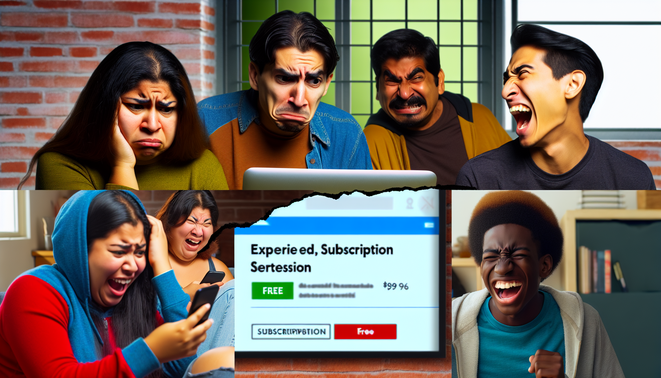
Introduction: The Streaming Shift
The streaming landscape has undergone a significant transformation in recent years, primarily fueled by the emergence of free streaming services. This shift is largely attributed to changing consumer preferences and the rising costs associated with traditional subscription-based platforms. The allure of free content, combined with the proliferation of ad-supported services such as Tubi, Pluto TV, and Crackle, allows viewers to access a wide array of shows and movies without the burden of subscription fees.
According to a report by Statista, more than 30% of U.S. consumers now prefer ad-supported streaming options, indicating a notable trend towards free alternatives. This change can be linked to economic factors as well; as inflation rises, many viewers are seeking ways to cut entertainment costs while still enjoying quality content. Additionally, these free services are continually expanding their libraries, attracting users with popular titles that compete with paid options.
Furthermore, the marketing strategies of these platforms are evolving. By adopting business models that rely on viewer data to personalize ad experiences, these streaming services can offer tailored content that enhances user engagement. With audiences increasingly willing to tolerate advertisements, as seen in a report from MediaPost, free streaming services are becoming a formidable presence in the entertainment industry.
Analyzing the Appeal of Free Streaming Services
Free streaming services have surged in popularity, captivating audiences with their enticing array of features and content offerings. One of the main attractions of these platforms is, of course, the price point—zero dollars. Unlike subscription-based services, free streaming platforms such as Tubi, Pluto TV, and Crackle allow viewers to access a wide variety of content without any financial commitment. This model democratizes access to entertainment, appealing especially to those who may not be able to afford paid options or wish to explore content without any upfront investment.
Content variety is another strong draw. Free platforms typically feature an eclectic mix of movies, TV shows, and even live TV channels, often including nostalgic classics alongside new releases. For instance, Tubi boasts an extensive library with over 40,000 titles, enabling users to discover hidden gems from various genres and eras—an offering that many paid services often lack in breadth.
User-friendly interfaces and features like personalized recommendations also enhance the viewing experience. Many platforms utilize algorithms to suggest content based on user preferences, making it easier to find shows and movies of interest. For example, Pluto TV offers curated channels that simulate traditional cable viewing, appealing to users who enjoy flipping through channels and discovering content on the fly.
Furthermore, the integration of original content is becoming a significant factor in attracting subscribers to free streaming services. Platforms like Peacock and Roku have started to invest in exclusive programming that draws viewers in. Original shows or films can create buzz and incentivize sign-ups, even for a free service, especially when they feature well-known celebrities or compelling storylines.
In summary, the appeal of free streaming services lies in their cost-free access, diverse content offerings, engaging user interfaces, and the growing presence of original programming. As this landscape continues to evolve, these platforms will likely maintain their attractiveness by constantly adapting to viewer demands and preferences.
Case Studies: Movers and Shakers
In the rapidly evolving landscape of streaming services, several free platforms have emerged as significant players, capturing audience attention and reshaping viewing habits. Below, we explore some popular free streaming services making notable waves in the industry.
- Pluto TV
Launched in 2013, Pluto TV stands out by offering over 250 live channels alongside an extensive library of on-demand content, all available at no cost. With a user-friendly interface and a diverse range of programming—from news to classic shows—Pluto TV has gained millions of monthly users and was acquired by ViacomCBS in 2019, further cementing its presence in the streaming ecosystem. The platform’s ad-supported model allows for free access while providing revenue streams through advertising. [Source: TechCrunch] - Tubi
Tubi, owned by Fox Corporation, offers a robust library of movies and TV shows for free. With over 20,000 titles, it faces fierce competition but differentiates itself with a strong emphasis on personalization through its recommendation algorithms. Recent partnerships have brought popular content to Tubi, further enhancing its catalog. The platform’s focus on user engagement has translated to consistent audience growth, as it taps into shifting viewing habits towards ad-supported content. [Source: Forbes] - Crackle Plus
Crackle has morphed from its initial offering into Crackle Plus, which amalgamates several other networks under its umbrella. Known for original programming and a mix of nostalgic content, Crackle distinguishes itself in the competitive free streaming market. With new original series gaining traction, it aims to encourage viewer investment, leading to an uptick in advertising revenue. [Source: The Verge] - Peacock Free
NBCUniversal’s Peacock Free division is making significant strides, with an extensive selection of classic shows and blockbuster films. The service leverages its parent company’s vast network and content library, including fan-favorites like *The Office* and *Parks and Recreation*. By providing a freemium model that encourages users to upgrade for premium content, Peacock Free has quickly amassed over 54 million sign-ups. Its robust marketing strategies and exclusive programming, such as the Olympics coverage, have attracted considerable attention. [Source: CNBC]
These free streaming services not only provide diverse content but also adapt to the changing demands of viewers, proving their worth in a market increasingly leaning towards accessible entertainment solutions.
Cost vs. Content: Are Free Services Outperforming?
In today’s digital landscape, consumers are increasingly faced with the choice between free services and paid subscriptions. This section reviews the performance and value of both options, focusing on various categories like streaming, software, and online content.
Streaming Services
While platforms like Spotify and YouTube offer free versions with ads, they often lack features like offline listening and higher audio quality available in their premium counterparts. Research shows that paid subscriptions generally provide a significantly better user experience. For example, Spotify Premium users enjoy a library that can be accessed without interruptions, while free users contend with limited song skips and periodic ads [Source: PCMag].
Software Tools
When it comes to productivity tools, free options like Google Docs are widely used. However, they may not meet the needs of businesses that require advanced features offered by paid services such as Microsoft 365. According to a survey by Statista, businesses using premium software report increased productivity due to enhanced collaboration features and data security [Source: Statista].
Social Media Management
Free tools, such as Hootsuite’s basic plan, are often sufficient for individual users or small businesses. However, companies managing larger social media accounts tend to benefit from the analytics and automation features found in paid versions. A study by Sprout Social indicates that brands using premium services experience 3x more engagement due to better analytics capabilities [Source: Sprout Social].
Content Creation
Platforms like Canva offer substantial free resources; however, the lack of premium templates and collaboration features can hinder professional results. Businesses that rely on quality graphic design often find the investment in premium plans essential for maintaining brand consistency and quality [Source: Creative Bloq].
In summary, while free services can provide basic functionalities suitable for casual users, those requiring advanced features and better quality often find that investing in paid subscriptions offers superior value and performance across various sectors.
The Future of Streaming: What’s Next?
The streaming landscape is evolving rapidly, influenced by technological advancements, consumer preferences, and competitive dynamics. According to a report by Variety, industry experts predict significant growth in interactive and live content, driven by platforms like Netflix and Twitch. This interactivity not only enhances viewer engagement but also invites real-time participation, pushing the boundaries of traditional viewing experiences.
Moreover, experts from Forbes highlight the increasing importance of personalized content through advanced algorithms and AI, tailoring recommendations to individual viewing habits. As a result, subscribers can expect increasingly curated experiences, making content discovery seamless and engaging.
Another key trend is the rise of niche streaming platforms catering to specific demographics, as noted by TechCrunch. While major players consolidate, smaller services focusing on targeted content—for instance, horror films or international programming—are likely to flourish. This segmentation meets diverse audience needs and allows more specialized content offerings.
As competition heats up, subscription fatigue is becoming a concern; however, The Verge suggests that bundling services might provide a solution. By offering combined subscriptions, platforms can create attractive packages that cater to family viewing and cross-platform access.
Furthermore, the continued rise of ad-supported models will change the revenue landscape. According to MediaPost, many platforms will increasingly rely on advertising to supplement subscription revenue, providing more accessible options for viewers while simultaneously capitalizing on lucrative ad dollars.
In conclusion, the future of streaming will be characterized by enhanced interactivity, personalized content, niche offerings, and innovative revenue models that adapt to shifting viewer demands and behaviors, setting the stage for a dynamic entertainment environment.
Sources
- CNBC – NBCUniversal’s Peacock continues to gain subscribers
- Creative Bloq – Canva vs. Photoshop: Which is better?
- Forbes – The Future of Streaming: 5 Predictions About the Industry in 2023
- Forbes – Tubi Exceeds 3 Billion Total Streams in 2021
- MediaPost – Streaming Growth: No Fault of Ads, More for the Experience
- MediaPost – The Future of Streaming Media and the Growing Role of Ad Revenue
- PCMag – Is Spotify Free Worth It?
- Pluto TV
- Tubi
- TechCrunch – Pluto TV Plans to Expand into More International Markets
- TechCrunch – The Future of Streaming TV
- The Verge – Peacock’s Originals Strategy
- The Verge – Streaming Service Price Increases and Subscriber Losses
Recent Comments