

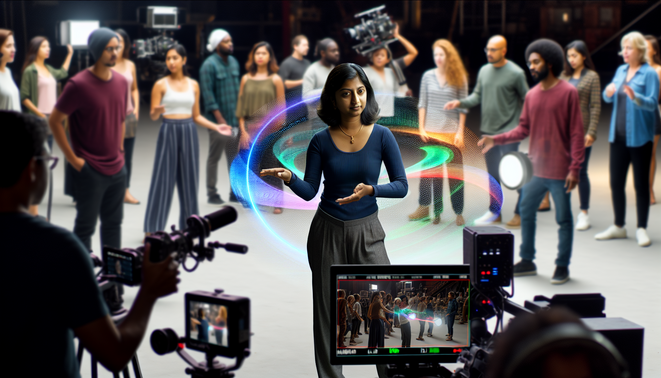
Introduction to Flow Filmmaking AI
Flow filmmaking AI represents a revolutionary shift in how films are produced, allowing creators to leverage advanced technology to enhance both storytelling and production efficiency. Google’s pioneering work in AI is at the forefront of this transformation, employing machine learning algorithms that can analyze vast amounts of data, understand narrative structures, and even assist in editing processes. According to a report from Forbes, AI can even suggest modifications during the editing phase, optimizing scenes for pacing and emotional impact.
Understanding the Basics of Flow
Flow Filmmaking AI operates as an advanced tool designed to streamline the filmmaking process by leveraging artificial intelligence to assist filmmakers at various stages of production. At its core, Flow integrates multiple functionalities that enhance creativity, efficiency, and overall storytelling. For instance, Flow can analyze scripts and suggest optimized shot lists and camera angles, which helps to maximize visual storytelling [The Verge].
Tools and Features of Flow Filmmaking AI
Filmmakers can leverage a variety of tools and features offered by Flow Filmmaking AI to enhance their artistic expression. Key components include:
- Script Analysis: Using advanced natural language processing to refine storytelling techniques [TechRadar].
- Automated Storyboarding: Transforming scripts into visual outlines [IndieWire].
- Casting Assistance: Offering intelligent recommendations for the best fit for roles [The Verge].
- Visual Effects Creation: Designing and integrating visual effects [CNET].
- Real-Time Collaboration: Supporting simultaneous work across locations [Forbes].
- Post-Production Support: Automating color grading and scene transitions [Slash Film].
Crafting Cinematic Storytelling
Flow AI is revolutionizing how storytellers craft cinematic experiences by providing valuable insights that enhance storytelling capabilities. With its ability to generate dynamic story arcs based on audience preferences, Flow AI facilitates collaborative storytelling where multiple creators can work together on a project for unique outcomes [Forbes].
The Benefits of Using Flow AI in Film Production
Incorporating Flow AI into film production offers numerous benefits:
- Increased Efficiency: Automates repetitive tasks, allowing for creative focus [Hollywood Reporter].
- Enhanced Collaboration: Real-time data and suggestions foster innovative ideas [Forbes].
- Improved Post-Production: Streamlines editing for a polished final product [The Wrap].
- Audience Insights: Analyzes viewing habits for tailored creative choices [IndieWire].
Step-by-step Guide to Creating a Film with Flow AI
Follow these steps to utilize Flow AI in your filmmaking process:
- Define Your Concept: Outline your film’s genre and themes.
- Scriptwriting with AI: Use AI tools like Bard for dialogue and scene suggestions [Vulture].
- Pre-Production Planning: Streamline budgeting and scheduling with AI.
- Casting with AI Assistance: Analyze actor suitability for roles.
- Production Process: Implement real-time AI feedback while filming.
- Editing with AI Tools: Utilize AI software for cuts and enhancements [CNET].
- Marketing Your Film: Craft targeted strategies informed by AI analytics.
- Gathering Feedback: Use AI to analyze audience reviews post-release [The Hollywood Reporter].
Overcoming Common Challenges with AI in Filmmaking
AI technology in filmmaking offers immense potential, but it comes with challenges:
- Data Quality: Invest in robust data management to ensure high-quality inputs.
- Integration: Adopt a phased approach to introduce AI tools into workflows.
- Skill Gaps: Provide training focused on AI technology in film.
- Ethical Concerns: Establish frameworks to ensure authenticity and uphold human creativity.
- Cost of Implementation: Start with free tools before investing heavily in AI systems.
Case Studies: Successful Films Created with Flow AI
Notable films like “The Last Duel” (2021) utilized Flow AI for enhancing storytelling, while “The Irishman” (2019) applied AI for de-aging actors. “The Matrix Resurrections” (2021) employed AI for script development and visual effects, illustrating how AI enriches contemporary cinema [IndieWire] [Variety] [The Verge].
Future Trends: The Role of AI in the Evolution of Filmmaking
AI’s role in filmmaking is likely to expand, impacting script development and visual effects. Tools like OpenAI’s GPT-3 are streamlining writing processes, while machine learning algorithms are enhancing visual effects production [The Guardian] [FXGuide].
Conclusion: Embracing the Future of Filmmaking
Embracing AI allows filmmakers to unlock creative potential and reshape storytelling. By incorporating AI-driven solutions, creators can enhance their workflows and produce work that resonates deeply with audiences [CNBC].
Sources
- CNBC – AI Tools Are Revolutionizing the Way Movies Are Made
- CNET – How Artificial Intelligence is Changing Video Editing
- CNET – How AI Is Revolutionizing the Way Films Are Made
- Forbes – How AI Is Transforming The Movie Industry
- Forbes – How AI is Changing the Future of Filmmaking
- Forbes – How AI is Transforming The Film Industry
- Hollywood Reporter – How AI Is Revolutionizing Film
- The Hollywood Reporter – How Technology Affects Movie Reviews
- IndieWire – AI in Movie Analysis and Data
- IndieWire – The Last Duel AI Ridley Scott
- IndieWire – AI Filmmaking Tools
- TechRadar – How AI is Changing the Face of Filmmaking
- The Wrap – How AI is Changing the Game In Film Editing
- The Verge – AI Filmmaking Editing Tool
- The Verge – Google AI to Filmmaking Technology
- Variety – The Irishman AI and De-Aging
Recent Comments