

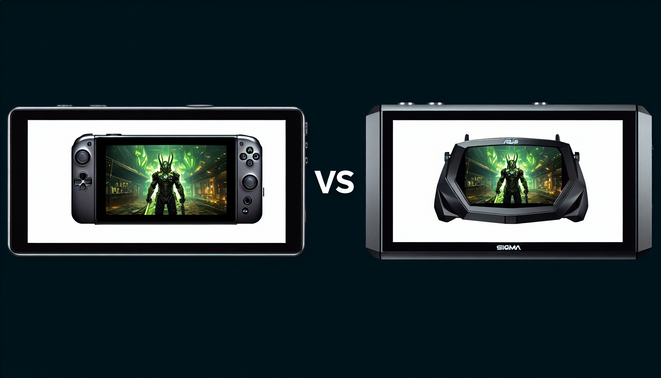
Introduction
The handheld gaming market has surged in popularity, presenting gamers with advanced options for on-the-go play. This article explores two prominent devices in this space: the ASUS ROG Ally X and the Steam Deck. Both have gained significant traction among gaming enthusiasts, each bringing unique features and capabilities to the table.
The ASUS ROG Ally X, designed for high-performance gaming, combines cutting-edge hardware with a sleek design, catering to gamers who prioritize graphical fidelity and speed. In contrast, the Steam Deck offers a versatile gaming experience with its compatibility with a vast library of PC games, particularly those on the Steam platform. As we delve into the specifications, features, and overall performance of these devices, our goal is to provide comprehensive insights to help you decide which handheld gaming device best meets your needs.
Design and Build Quality
The ASUS ROG Ally X and the Steam Deck are both formidable devices in the handheld gaming space, but they differ significantly in design, ergonomics, and build quality.
The ASUS ROG Ally X boasts a sleek, modern aesthetic, highlighting RGB lighting elements and a customizable design that appeals to gamers seeking a personalized touch. Its compact form factor enhances portability, making it easy to carry around. In contrast, the Steam Deck features a more utilitarian design, prioritizing functionality over flair. While it may not be as visually striking, its robust build is designed to withstand the rigors of daily use.
In terms of ergonomics, the ROG Ally X is designed with comfort in mind, featuring contoured grips that support extended gaming sessions without causing fatigue. Its button layout is intuitive, allowing for quick access to controls. Meanwhile, while the Steam Deck might feel bulkier in hand, it offers a solid grip thanks to its textured surfaces, although some users have noted discomfort during prolonged play due to its weight.
For build quality, the ROG Ally X utilizes premium materials that not only enhance its visual appeal but also contribute to its durability. The device feels sturdy in hand, with minimal flex under pressure. The Steam Deck, although heavier, demonstrates impressive build quality with a rugged exterior designed for longevity, making it a reliable choice for gamers on the go. [Source: TechRadar]
Performance
When evaluating the performance of different gaming devices, it’s essential to consider several key metrics, including specifications, frame rates, and user experience.
The specifications of a gaming device directly influence its performance. For instance, the latest models often feature custom processors and advanced GPUs that enhance graphics rendering and processing capabilities. Recent benchmarks provide a clear comparison between the ASUS ROG Ally X and the Steam Deck, particularly when assessing frame rates and overall gaming experience. [Source: Digital Foundry]
Overall, both the ASUS ROG Ally X and the Steam Deck deliver outstanding performance metrics. Choosing between them may ultimately depend on specifications that suit personal gaming preferences and the overall ecosystem that complements a player’s style. [Source: TechRadar]
Display and Audio
The display and audio performance of handheld consoles are critical factors that enhance the gaming experience. The Steam Deck features a 7-inch LCD display with a resolution of 1280×800 pixels, providing a 16:10 aspect ratio that enhances immersion across various gaming experiences. Its audio capabilities are equally notable, featuring dual speakers positioned for a more dynamic soundstage.[Source: TechRadar]
In contrast, the Nintendo Switch’s LCD screen shows a commendable color accuracy but is limited to a resolution of 720p for portable play, making it less impressive than the Steam Deck in terms of pixel density. Additionally, while its built-in speakers provide decent audio, users often recommend headphones for an enhanced experience.[Source: TechRadar]
Game Library and Compatibility
When it comes to gaming platforms, the breadth of the game library can significantly impact user choice. The ASUS ROG Ally X benefits from its compatibility with a vast array of PC games available through platforms like Steam, allowing access to thousands of titles. In contrast, the Steam Deck, while also supporting a wide range of PC games, has optimized its performance specifically for games available on its platform.[Source: Steam]
In addition, the current gaming landscape is increasingly enabled by cloud gaming services, which allow players to stream titles without the need for high-end hardware. Platforms like NVIDIA GeForce NOW enhance accessibility, supporting a variety of devices and expanding the gaming landscape to a broader audience.[Source: NVIDIA]
Battery Life
The battery life of the ASUS ROG Ally X and the Steam Deck varies significantly based on usage patterns. The ROG Ally X is reported to average about 2-3 hours of gameplay on a single charge, but its advanced power management system can extend battery life during less demanding tasks. Conversely, the Steam Deck has a more variable performance, with typical gaming sessions lasting between 1.5 to 3 hours, depending heavily on settings and specific games played.[Source: TechRadar]
Pricing and Value
The pricing for devices often reflects their technological advancements and consumer demand. Currently, devices such as the ASUS ROG Ally X might range from $400 to $800, providing a good balance of performance versus cost, while the Steam Deck also falls within a similar price range. When evaluating value, consumers should consider aspects such as customer support and the overall ecosystem provided by the manufacturer, which can significantly impact the ownership experience.[Source: TechRadar]
Conclusion
In summary, both the ASUS ROG Ally X and the Steam Deck present unique offerings in the handheld gaming market. Aspects such as design, performance, battery life, and game library compatibility can greatly influence a potential buyer’s decision. Evaluating these factors based on personal preferences and gaming habits will guide new buyers towards the most suitable choice for their gaming needs.
Sources
- Digital Foundry – PS5 vs Xbox Series X Performance Analysis
- GamesIndustry.biz – Fortnite Cross-Play: What You Need to Know
- GamesRadar – Xbox Game Pass is the Best Deal in Gaming
- TechRadar – PS5 vs Xbox Series X
- TechRadar – ASUS ROG Ally Review
- TechRadar – Nintendo Switch Review
- NVIDIA – GeForce NOW
- Steam – Explore
Recent Comments