

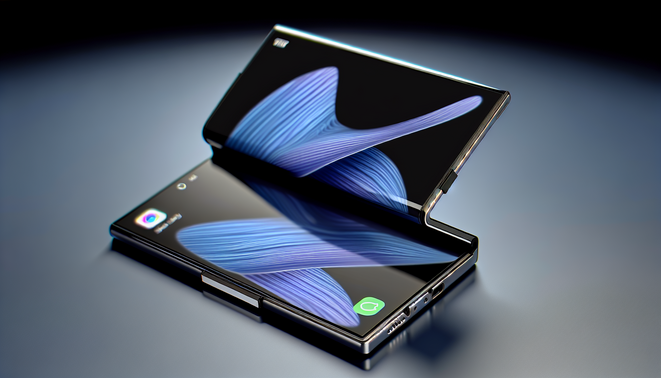
The Rise of the Foldable iPhone: A Game Changer in Smartphone Design
The foldable iPhone represents an innovative shift in smartphone design, combining cutting-edge technology with enhanced usability. As Apple explores the potential of foldable devices, it positions itself within a rapidly evolving market characterized by growing consumer demand for versatility and functionality. One of the primary advantages of a foldable iPhone would be its ability to offer a larger screen size while maintaining a compact form factor, which is appealing to users who prioritize portability without sacrificing display space.
Recent advancements in flexible display technology and hinge mechanisms have made foldable smartphones more feasible, as evidenced by competitors like Samsung with its Galaxy Z series. These innovations allow for improved durability and user experience, setting a higher standard for manufacturers aiming to produce foldable devices. Furthermore, the significance of a foldable iPhone goes beyond hardware; it could lead to new software capabilities designed to leverage the unique form factor, enhancing multitasking and app interfaces.
As the smartphone market continues to mature, Apple’s entry into foldable devices could potentially redefine consumer expectations and encourage broader adoption of flexible technologies in everyday devices. This move would not only strengthen Apple’s competitive edge against rivals but also signal a substantial evolution in the mobile landscape, where form and function can coexist harmoniously. For a more in-depth look at the technology behind foldable devices, visit TechRadar – What is a foldable phone? and for trends in smartphone adaptability, check out ZDNet – Smartphones are getting more flexible, these are the best foldable options..
Key Milestones in Foldable Phone Technology
The evolution of foldable phone technology has seen significant milestones since its inception. The concept of flexible displays began gaining traction in the early 2000s, driven by advancements in OLED technology. Companies like Samsung led the charge, unveiling the first commercial foldable device, the Galaxy Fold, in 2019. This device introduced a new form factor that allowed for innovative multitasking capabilities and larger displays that can be conveniently compacted.
Following the Galaxy Fold, various manufacturers experimented with different designs. Notably, Huawei launched the Mate X, which featured an outward-folding display, sparking debates about the durability of such designs. Subsequently, markets began to see multiple iterations and improvements, focusing on minimizing hinge mechanisms to improve longevity and user experience.
As of 2021, the demand for foldable phones has only increased, with brands like Motorola reviving classic designs using flexible screens, such as the Razr. This trend indicates a broader industry acceptance of foldable technology as consumers seek devices that combine portability with functionality.
The anticipated development of a foldable iPhone signals Apple’s entry into this burgeoning market. Rumors suggest that Apple is exploring various designs, potentially incorporating features that leverage iOS’s capabilities while ensuring a seamless user experience. As foldable technology continues to advance, it will likely reshape consumer interactions with mobile devices, merging practicality with cutting-edge innovation. For a deeper understanding of the features and types of foldable phones currently available, check out our article on foldable phone types.
Innovative Design Features of the Foldable iPhone
The anticipated foldable iPhone is expected to incorporate several innovative design features that distinguish it from traditional smartphones, potentially transforming its usability and appeal.
One of the most significant advancements is the use of flexible OLED displays, which allow for a larger screen size without increasing the overall device footprint. This technology, often regarded for its durability and vivid image quality, enables the device to fold seamlessly while maintaining a high level of performance. According to reports, Apple may implement a new “Cascade” hinge system that enhances the folding mechanism’s robustness and function, allowing for a more reliable and smoother opening and closing experience Forbes – Apple Foldable iPhone Tips: What to Expect When It Arrives.
In addition to the folding design, the new device may feature advanced multitasking capabilities. Operating on an updated version of iOS tailored for foldable screens, users could run multiple apps side-by-side, optimizing productivity and user experience MacRumors – Foldable iPhone Rumors: Features. Additionally, Apple is likely to integrate innovative camera technologies that enable high-quality photography regardless of whether the device is folded or unfolded.
Furthermore, the foldable iPhone could include enhanced battery technology, possibly utilizing new materials and battery designs to maintain battery life without compromising on performance, even with the added demands of a larger display TechRadar – Apple could use a new battery tech in the next iPhone.
Technical Specifications & Performance Expectations
The anticipated technical specifications for the upcoming device have generated excitement among tech enthusiasts. Key features include a 6.7-inch OLED display, boasting a resolution of 2400 x 1080 pixels, which promises vibrant colors and sharp images, making it ideal for multimedia consumption. The device is expected to support a refresh rate of 120Hz, ensuring smooth scrolling and enhanced gaming experiences.
Battery life is projected to reach approximately 4500mAh, offering a full day of usage on a single charge, complemented by fast charging capabilities that can top up the battery in under an hour. With regards to performance, the device is rumored to house the latest octa-core processor, ensuring swift responses and the ability to handle multitasking with ease. Coupled with a minimum of 8GB RAM, users can expect seamless performance even with demanding applications.
For those interested in graphics, the device will incorporate an advanced GPU, which is designed to enhance gaming and rendering tasks, ensuring an optimized experience for both casual users and professionals alike. Additional features may include support for 5G connectivity, providing faster internet speeds, and improved camera specifications that aim to deliver high-quality photos even in low-light conditions TechRadar – Smartphone Specifications Leak.
User Experience Revolution: Usability and Adaptability
The introduction of a foldable iPhone could significantly transform user experience, enhancing both usability and versatility. A foldable design allows for a larger display in a more compact form factor, enabling users to enjoy a tablet-like experience without sacrificing portability. This innovation can facilitate multitasking; for instance, users can run two apps side by side on the larger screen, improving productivity and enhancing tasks such as video calls while browsing.
In terms of usability, a foldable iPhone could adapt to various usage scenarios. When closed, it could serve as a standard smartphone, while unfolding it offers an expansive interface for media consumption, gaming, or productivity applications. This adaptability also caters to different user preferences, appealing to those who prioritize a portable device but require the functionality of a larger screen at times.
Furthermore, the foldable aspect introduces new possibilities for app developers to create interactive experiences that leverage the unique screen dynamics. Features such as split-screen functionality or adaptable user interfaces could become mainstream, pushing the boundary of how applications are experienced on mobile devices.
In essence, the foldable iPhone seems primed to elevate user engagement by providing a transformative experience that merges convenience with enhanced functionality, reminiscent of trends observed in other foldable devices in the market. For more insights on device innovation and user engagement, check out our article on the impact of evolving smartphone designs.
Comparing the Foldable iPhone with Competing Devices
Foldable smartphones have garnered significant attention, particularly with the anticipated arrival of Apple’s foldable iPhone. This section compares the key features, design, and performance of the rumored iPhone against other leading foldable devices currently available, including Samsung’s Galaxy Z Fold 4 and Motorola’s Razr 2022.
Design and Build Quality
Apple has a reputation for premium build quality, and the foldable iPhone is expected to follow suit. Speculation suggests a sleek, durable design, potentially incorporating materials like aluminum and glass. In contrast, the Galaxy Z Fold 4 features an aluminum frame with Gorilla Glass Victus, while the Razr 2022 offers a nostalgic flip design with a stainless steel frame and glass back. All three devices aim for premium aesthetics, but Apple’s likely refined production methods may give it an edge in durability.
Display Technology
The foldable iPhone is rumored to feature advanced OLED technology, possibly similar to that used in current iPhone models. The Z Fold 4 sports a 7.6-inch main display and a 6.2-inch cover display, both utilizing AMOLED technology for vibrant colors and deep contrasts. Meanwhile, the Razr 2022 has a 6.2-inch AMOLED display that replicates the retro flip phone experience. If Apple incorporates ProMotion technology seen in the latest iPhones, it could significantly enhance the user experience through smoother scrolling and better responsiveness.
Performance
The foldable iPhone is likely to feature Apple’s A16 chip, known for its superior performance and energy efficiency. The Galaxy Z Fold 4 is powered by Qualcomm’s Snapdragon 8+ Gen 1 processor, ensuring high performance capable of multitasking. On the other hand, the Razr 2022 uses the Snapdragon 8 Gen 1, which also offers good performance but lags slightly behind in benchmarks compared to its competitors. Apple’s chipset might provide not just power but also optimizations specifically for the foldable form factor.
Software Experience
iOS on the foldable iPhone will differentiate it from Android counterparts. Apple’s ecosystem is known for seamless integration across devices, and there is anticipation that iOS will be optimized for foldable usage, offering unique multitasking capabilities. Samsung’s One UI, particularly on the Z Fold 4, is highly regarded for its enhancements tailored for larger, foldable displays. Conversely, Motorola’s approach with the Razr leans more on its nostalgic user experience, which may not be as feature-rich as its competitors in foldable ecosystems.
Pricing and Availability
Rumors suggest the foldable iPhone will enter the market at a premium price, possibly starting around $1,500, aligning with other high-end foldables like the Z Fold 4, which starts at $1,799. The Razr 2022 offers a slightly lower entry point at around $999. Availability might also differ, with Apple’s release schedule often keeping close to its annual launch events, whereas Samsung and Motorola have more flexible timelines.
The foldable iPhone, with its anticipated advanced technology and integration within Apple’s ecosystem, is set to challenge the current foldable smartphone market dominated by Samsung and Motorola. The coming months will clarify how it measures up in terms of user experience, price, and innovation. For more comparisons of smartphones, check out our detailed guide on the latest flagship models across brands.
Market Impact and Future Outlook
The foldable iPhone is expected to have a significant impact on the smartphone market, with predictions indicating strong consumer demand and impressive sales figures. Analysts project that Apple could capture approximately 20% of the foldable smartphone market by 2025, as consumers look for innovative features and design.
Initial sales for the foldable iPhone are forecasted to reach around 10 million units in the first year, driven by early adopters and Apple enthusiasts eager to explore this new form factor. Market research indicates that foldable devices, which offer the versatility of a compact phone and the functionality of a tablet, are appealing to consumers who value multitasking and portability Counterpoint Research – Foldable Phones 2023.
Furthermore, the foldable market is projected to grow substantially, with an estimated value of $29 billion by 2024, primarily due to increasing consumer interest and advancements in display technology Statista – Worldwide Foldable Smartphone Market Size. Apple’s entry into this market, leveraging its strong brand loyalty, is anticipated to accelerate this growth, making the foldable iPhone a key player in shaping future smartphone trends.
With competition from brands like Samsung and Huawei, which have already established a presence in the foldable sector, Apple’s strategy will likely focus on integrating its iOS ecosystem with the new device, enhancing user experience and expanding its customer base MacRumors – Apple Foldable iPhone Release Date and Specs. The foldable iPhone could redefine user expectations and set a new standard for smartphone design.
Sources
- Counterpoint Research – Foldable Phones 2023
- Forbes – Apple Foldable iPhone Tips: What to Expect When It Arrives
- MacRumors – Foldable iPhone Rumors: Features
- MacRumors – Apple Foldable iPhone Release Date and Specs
- Statista – Worldwide Foldable Smartphone Market Size
- TechRadar – Apple could use a new battery tech in the next iPhone
- TechRadar – Foldable Phones 2023: Everything You Need to Know
- TechRadar – What is a foldable phone?
- ZDNet – Smartphones are getting more flexible, these are the best foldable options.
Recent Comments