

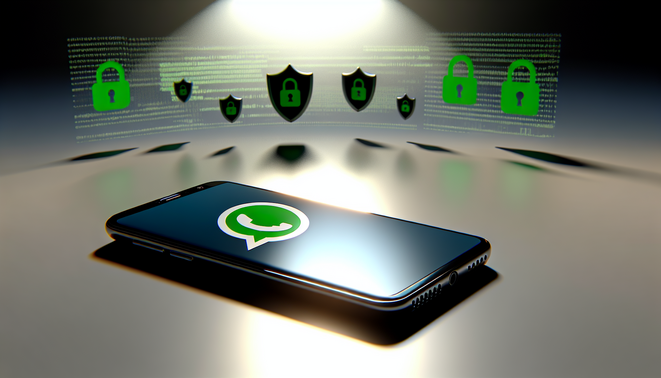
Introduction to WhatsApp Vulnerabilities
WhatsApp, the globally popular messaging platform, is not without its vulnerabilities. Security concerns have plagued the app, primarily due to its widespread use and the sensitive nature of the information exchanged among users. One notable vulnerability is the potential for end-to-end encryption to be compromised. While WhatsApp employs strong encryption protocols, flaws in implementation or updates can expose users to threats such as account hijacking or data interception [Source: The Verge].
Additionally, WhatsApp faces challenges with its backup processes. While chats are encrypted during transit, they may not be encrypted when stored in cloud backups, leaving users susceptible to data leaks if these services are compromised [Source: CNET]. Phishing attacks also pose a significant risk, where attackers use deceptive messages to trick users into revealing personal information or account credentials [Source: BBC].
Furthermore, the app’s usage of phone numbers as identifiers can lead to social engineering attacks, where attackers exploit personal connections to gain access to accounts or sensitive information. Users should remain vigilant about sharing their phone numbers and be aware of the implications of their online interactions [Source: Forbes].
Recent Patches and Updates
Recently, WhatsApp has implemented several patches to address various security vulnerabilities, thereby enhancing user protection and privacy. The latest updates include:
- Patch for Remote Code Execution (RCE) Vulnerability: A critical patch fixed a vulnerability that could allow attackers to execute arbitrary code on users’ devices. This vulnerability was particularly serious due to its potential for widespread exploitation. Users are encouraged to update their app to version 2.23.12 to mitigate these risks. [Source: CSO Online]
- Security Flaw in Media Handling: An additional update addressed a security flaw related to media file processing. This flaw could allow malicious files disguised as images or videos to exploit users’ devices. Patching this issue ensures safer media exchanges on the platform. Users should check they are on version 2.23.11 or newer. [Source: Forbes]
- Privacy Enhancements: The updates also included several enhancements to user privacy settings, allowing better control over who can see the user’s last seen and profile photo. This not only improves user experience but also bolsters overall account security. [Source: TechRadar]
Users should ensure their application is updated regularly to take advantage of these security improvements and maintain safe communication. For more information on WhatsApp’s security protocols, check our article on WhatsApp Security Measures.
Implications of Vulnerabilities
Security vulnerabilities in WhatsApp pose significant risks to both individual users and organizations. With over 2 billion users globally, any exploit can have widespread implications.
For individuals, vulnerabilities can lead to unauthorized access to personal information, including messages, photos, and contact lists, which can result in identity theft or privacy breaches. For instance, a flaw that allows malicious actors to intercept messages could compromise sensitive conversations, as highlighted by CSO Online.
Organizations face similar threats, especially when employees use WhatsApp for business communication. The risk of data leaks and compliance breaches increases; sensitive corporate information can be exposed if vulnerabilities are exploited. A report by Forbes reveals that corporate use of WhatsApp without proper security measures can lead to significant financial losses and damage to reputation.
Moreover, these vulnerabilities can be leveraged for targeted attacks, such as phishing schemes and malware distribution. Cybercriminals can create fake messages that appear legitimate, tricking users into divulging sensitive information or downloading harmful software. The potential for such attacks reinforces the need for constant vigilance and security updates.
In conclusion, as the reliance on messaging apps like WhatsApp grows, understanding and addressing security vulnerabilities becomes crucial for both users and organizations to mitigate risks effectively.
How to Secure Your WhatsApp Account
To secure your WhatsApp account, follow these practical tips to enhance your privacy and safety:
- Enable Two-Step Verification: This adds an extra layer of security by requiring a PIN when registering your phone number with WhatsApp again. Activate it by going to Settings > Account > Two-step verification.
- Keep Your App Updated: Ensure you always have the latest version of WhatsApp installed, as updates often include security patches that protect against vulnerabilities. Check for updates regularly in your device’s app store.
- Control Your Privacy Settings: Adjust your privacy settings to limit who can see your profile photo, status, and last seen. Navigate to Settings > Account > Privacy, and select options like “My Contacts” or “Nobody” for enhanced privacy.
- Be Wary of Phishing Attempts: Avoid clicking on unknown links or sharing personal information with untrusted contacts. WhatsApp will never ask you for sensitive information via message or email.
- Use Strong Authentication Methods: Utilize fingerprint or facial recognition features of your device to add an extra layer of security when accessing WhatsApp. This ensures that only authorized users can open the app.
- Review Linked Devices: Regularly check for any devices that may be linked to your WhatsApp account via WhatsApp Web and ensure that you log out of any sessions you don’t recognize. This can be done under the “Linked Devices” section within the app.
- Backup Your Chats Securely: If you’re using cloud services to back up your chat history, make sure these backups are encrypted. On Android, you can encrypt your backups through Settings > Chats > Chat backup > Back up to Google Drive > Enable encryption.
By following these steps, you can significantly enhance the security of your WhatsApp account and protect your personal information from unauthorized access. For more in-depth insights into digital security, visit our article on best practices for online privacy.
Future of WhatsApp Security
WhatsApp is committed to enhancing user security and privacy, consistently introducing updates designed to protect its users. In the near future, we can expect several advancements aimed at bolstering security features. Recent updates include end-to-end encryption improvements and the rollout of features that enable users to control who can see their personal information and online status. These measures are part of WhatsApp’s broader dedication to user privacy, as highlighted by their intent to enhance encryption protocols that make unauthorized access significantly more difficult.
Another anticipated development is the integration of multi-device support, allowing users to connect multiple devices while maintaining secure sessions. This capability will also reinforce security through better session management, as users can instantly log out of devices if they perceive any unauthorized activity. Furthermore, WhatsApp’s recent partnership with cybersecurity experts aims to actively monitor potential threats and vulnerabilities, reinforcing their proactive approach to security.
As data breaches continue to pose a significant risk to online communication, WhatsApp’s emphasis on transparency and user control over personal data remains crucial. They have committed to updating their privacy policies to reflect these changes, ensuring users are informed and empowered to make choices about their own data. As users, making use of features like two-step verification will further decrease vulnerability to account compromises. For ongoing safety, keeping the app updated with the latest security patches is essential to mitigate potential risks.
In conclusion, WhatsApp’s future direction appears firmly focused on improving user security, standing as a testament to their mission of protecting user data in an ever-evolving digital environment. Users can remain optimistic about the innovative security enhancements that will accompany the platform’s growth. For more on maintaining security within messaging platforms, explore our insights on staying safe online.
Conclusion
Staying informed about security vulnerabilities in messaging apps is vital for protecting personal and sensitive information. As we have explored, the prevalence of messaging apps in our daily communication makes them prime targets for cyber threats. Keeping abreast of the latest vulnerabilities, such as those affecting popular platforms, enables users to take proactive measures to safeguard their communications. By regularly updating apps, enabling encryption, and being cautious about sharing personal information, users can mitigate risks. Furthermore, awareness of app-specific security reviews and updates ensures that individuals remain vigilant against emerging threats. Ultimately, knowledge is a powerful tool in enhancing security and privacy in the digital communication landscape.
Sources
- BBC – Phishing Attacks and WhatsApp Vulnerabilities
- CNET – WhatsApp Cloud Backup Security Flaws Explained
- CSO Online – How WhatsApp Flaws Allowed Hackers to Access Secure Messages
- CSO Online – WhatsApp Reporting
- Forbes – Is WhatsApp Secure?
- Forbes – WhatsApp Updates Security Patch
- TechRadar – WhatsApp is Boosting User Privacy
- The Verge – WhatsApp Hacking Security Flaw
Recent Comments