

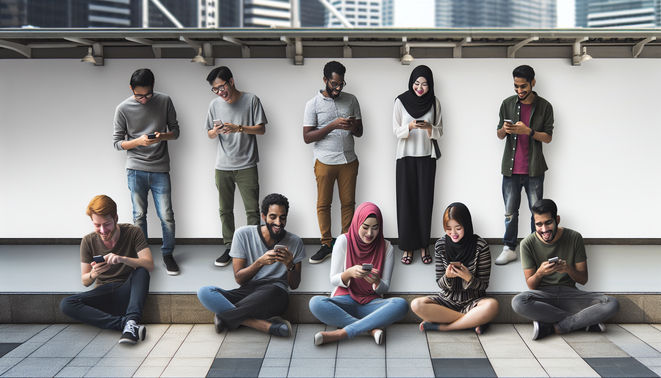
Introduction: The Phenomenon of Yearly Phone Upgrades
The trend of yearly phone upgrades has become a cultural phenomenon, where consumers eagerly await the latest models released by major smartphone manufacturers. This practice is fueled by a combination of marketing strategies, technological advancements, and societal pressures. According to a report by Counterpoint Research, smartphone sales reached over 1.4 billion units globally in 2022, with many consumers purchasing new devices annually.
One major reason for this trend is the rapid pace of technological innovation. New features, such as enhanced camera capabilities, improved battery life, and cutting-edge processors, entice users to upgrade frequently. For instance, the introduction of 5G technology and AI capabilities in recent models has made older phones feel obsolete.
Marketing strategies also play a critical role. Companies create a sense of urgency and exclusivity around new releases, leveraging consumers’ desire for the latest technology to drive sales. This “fear of missing out” (FOMO) is a powerful motivator, leading many to upgrade even if their current devices are still functional, as discussed in this article by Forbes.
Additionally, social norms and peer influence contribute to the yearly upgrade cycle. Many consumers feel pressured to showcase the latest devices, viewing phone upgrades as a status symbol within their social circles, as noted by Harvard Business Review. This phenomenon has implications not only for consumers but also for the environment and the smartphone industry.
The Role of Technology Trends in New Purchases
In recent years, the rapid advancement of technology has significantly influenced consumer behavior, particularly in the smartphone market. Key trends such as improved camera systems, enhanced battery life, foldable screens, and 5G connectivity create nearly irresistible incentives for tech enthusiasts and standard users alike to upgrade their devices.
Camera technology has taken center stage, with current models boasting multi-lens systems and features like night mode and optical zoom. Brands like Apple and Samsung compete intensely over these features, prompting consumers to swap older models for ones that offer better photographic capabilities, as highlighted by TechRadar.
Similarly, the evolution of battery technology has been notable, with manufacturers focused on improving longevity and charging speed. As reliance on smartphones for daily tasks grows, devices that last all day on a charge or support quick charging have become critical selling points. This shift towards more powerful batteries makes longer-lasting devices especially appealing, as discussed in an Android Authority article.
Innovations like foldable screens redefine user expectations, catering to those seeking versatility in technology. This trend has garnered considerable attention and been adopted by major brands, paving the way for more flexible designs in the future, as reported by CNET.
Brand Loyalty: More than Just Phones
Brand loyalty impacts consumer purchasing behavior profoundly, forming a strong bond between users and their chosen smartphone brands. For instance, Apple’s ecosystem nurtures a deep emotional connection that encourages users to remain loyal due to familiarity and seamless integration. Research indicates that 42% of Apple users are “very likely” to stay with the brand for their next purchase, which is largely attributed to brand satisfaction (Business of Apps).
Similarly, Samsung fosters loyalty by consistently delivering high-quality devices with cutting-edge technology. The Galaxy series resonates particularly with tech enthusiasts who favor innovation, as seen in statistics provided by Statista.
A recent study by Deloitte identified that about 57% of consumers consider brand reputation to significantly influence their upgrade decisions. A strong brand instills a sense of reliability and status in a crowded market, shaping consumer choices.
Trading and Recycling: The Economy of Old Phones
The economy surrounding old phones is shaped heavily by trade-in programs and recycling options, influencing consumer purchasing decisions and creating a continual cycle of upgrades. Financial incentives drive many consumers to trade in their devices for newer ones; according to Forbes, trade-in schemes are utilized by businesses to boost sales and foster customer loyalty.
These programs not only benefit consumers but also promote sustainable practices. Many old phones are recycled or refurbished, thereby reducing electronic waste. The Environmental Protection Agency emphasizes the importance of e-waste recycling in conserving resources and minimizing environmental harm, as approximately 96% of materials in used electronics can be recovered and reused.
In addition, today’s consumers are increasingly conscious of environmental impacts, and trade-in programs meet this demand. Research by GreenBiz indicates that 83% of millennials are willing to spend more on products from sustainable brands. This trend encourages manufacturers to incorporate trade-in and recycling options into their strategies.
Psychological Factors: The Need for the Newest Device
The desire for the latest smartphones often extends beyond functionality; it appeals to psychological factors driving consumer behavior. A key motivator is the fear of missing out (FOMO), compelling individuals to keep pace with technology to maintain their social connections. This phenomenon can generate feelings of inadequacy if one’s device is perceived as outdated, reinforcing a cycle where owning the newest model becomes synonymous with social status.
Smartphones have converted into status symbols. Owning the latest model can enhance self-image and social standing, with studies showing individuals derive satisfaction and identity from their technology Psychology Today. This consumer culture is perpetuated by brands launching frequent upgrades, fostering an ongoing wish for the latest innovations.
Furthermore, marketing strategies by tech companies often emphasize exclusivity and urgency, feeding into consumers’ psychological desires for belonging and acceptance. The social implications surrounding smartphone ownership ultimately shape purchasing decisions, as discussed in an article by Forbes.
Financial Implications: Is It Worth the Cost?
Upgrading to the latest smartphone model every year can be financially burdensome, necessitating a careful assessment of costs against the perceived benefits. The allure of advanced technology—superior camera quality, faster processors, and better battery life—can tempt many consumers. However, a detailed cost-benefit analysis usually indicates that such frequent upgrades might not justify their high costs.
Flagship smartphones typically range from $800 to $1,200, and with many users opting for the latest model annually, this could total between $8,000 and $12,000 over a decade. In contrast, extending a device’s lifespan to about three years can lead to substantial financial savings. A study by MarketWatch found it advisable to wait at least two to three years before upgrading, as incremental benefits often don’t validate the associated costs.
Smartphones depreciate significantly within the first year, losing 20-30% of their value immediately after purchase. Regular upgrading prevents consumers from maximizing their trade-in values. Selling a device after two or three years generally fetches a better price while also offsetting the cost of a new purchase, according to a report by ResearchGate. Moreover, hidden costs from frequent upgrades—for instance, increased data plans, insurance, and accessories—can accumulate quickly. As highlighted by an article in Forbes, opting for last year’s model can provide similar functionality at a lower price.
Conclusion: Is the Newest Always the Best?
In the fast-paced realm of technology, the fascination with the latest devices often overshadows the inherent value of older models. A critical examination suggests that while newer gadgets usually offer advanced features, they may not always represent the best choice for every user. Constantly pursuing the latest technology can lead to unnecessary expenses and environmental consequences.
Research shows older models can satisfy consumer needs effectively and provide a more sustainable option. For instance, studies indicate that keeping devices longer mitigates electronic waste, a significant environmental concern, as evidenced by Greenpeace. Moreover, users frequently overlook that software updates and ongoing manufacturer support can extend a device’s usability, making frequent upgrading unnecessary.
This raises a fundamental question: is the desire for new technology driven more by marketing than genuine necessity? Users should consider their unique needs, the veritable advantages of upgrading, and the broader implications of their purchasing behaviors. A balance between desire and practicality may well lead to more informed and responsible choices in technology usage.
Sources
- Business of Apps – iPhone Statistics
- Counterpoint Research – Global Smartphone Market Share
- CNET – Best Foldable Phones
- Deloitte – Global Mobile Consumer Survey
- Environmental Protection Agency – Electronics Recycling
- Forbes – The Rise of Trade-In Programs
- Forbes – The Need for the Newest iPhone
- Forbes – Why a New Phone May Not Be Worth the Cost?
- GreenBiz – What Makes Consumers Adopt Sustainable Practices
- Greenpeace – E-Waste and Recycling
- Harvard Business Review – Why Do You Need the Latest Smartphone?
- MarketWatch – Consumers Holding on to Smartphones Longer
- Psychology Today – Why We Need the Newest Smartphone
- ResearchGate – Smartphone Market and Consumer Behaviour
- Statista – Brand Loyalty: iPhone vs. Galaxy
- TechRadar – Best Camera Phone
- TechRadar – 5G Phones: Are They Really Worth It?
- Android Authority – Smartphone Battery Life 2023
Recent Comments