

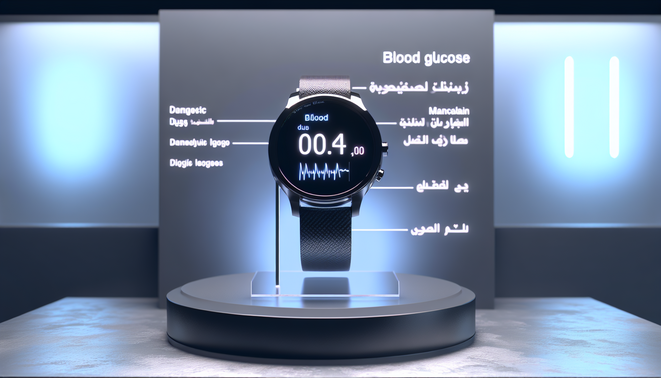
Introduction to Blood Glucose Monitoring Technology
Continuous glucose monitoring (CGM) technology has become a cornerstone in diabetes management, allowing for real-time tracking of blood glucose levels. Wearable health devices, such as CGMs, provide critical data that help individuals manage their condition more effectively, enabling timely decisions about diet, exercise, and insulin use. Current CGM systems, such as those from Dexcom and Abbott’s FreeStyle Libre, employ sensor technology that can be worn on the skin, continuously monitoring glucose levels and sending data to smartphones or smartwatches. This capability not only enhances user convenience but also promotes better glycemic control by reducing hyperglycemic and hypoglycemic events, which can lead to serious health complications if not monitored properly [Source: NCBI].
The Evolution of Smartwatches with Health Features
The evolution of smartwatches has marked a significant transformation in personal health monitoring. Initially focusing primarily on notifications and connectivity, the first notable event occurred in 2012 with the introduction of the Pebble smartwatch. This laid the groundwork for subsequent innovations in wearable technology. The Apple Watch’s launch in 2014 shifted the focus to health monitoring, featuring a heart rate sensor that prompted competitors to enhance their offerings. By 2016, devices like the Garmin Forerunner 735XT integrated advanced features for fitness enthusiasts. A significant breakthrough was the ECG feature introduced in the Apple Watch Series 4 in 2018, allowing users to detect irregular heart rhythms [Source: Healthline]. As technology progressed, products like the Samsung Galaxy Watch 3 and Fitbit Sense advanced the monitoring capabilities further, particularly during the COVID-19 pandemic when users relied on these devices for health insights [Source: TechRadar].
Challenges in Integrating Blood Glucose Monitoring into Smartwatches
The integration of blood glucose monitoring into smartwatches presents several significant challenges, including technical, biological, regulatory, and ethical aspects. A primary technical challenge involves achieving accurate measurements of blood glucose levels non-invasively. Current methods typically rely on blood samples; hence, developing reliable biosensors for real-time glucose readings poses substantial hurdles in sensor technology and calibration (Source: NIH). Biological variability complicates matters, as factors such as hydration levels and skin conditions can affect readings [Source: ScienceDirect]. Furthermore, navigating stringent regulatory approvals adds time and cost to bringing these devices to market [Source: FDA]. Finally, ethical considerations regarding data privacy necessitate robust security measures and transparent user agreements (Source: NIH).
Current Developments and Innovations
Wearable blood glucose monitoring technology continues to evolve rapidly. Dexcom’s G7 is a notable breakthrough, offering real-time glucose readings on smartphones with enhanced accuracy and user-friendliness [Source: Dexcom]. Abbott’s FreeStyle Libre 3 further improves the user experience through a fully disposable sensor that links automatically to a smartphone app [Source: Abbott]. Research institutions are also advancing technology. For instance, a Stanford-led initiative has developed a skin patch utilizing microneedles for non-invasive glucose monitoring [Source: Stanford University]. Eversense offers implantable sensors that last longer than typical wearables, reducing the need for frequent replacements [Source: Eversense]. These advancements signal exponential growth in the wearable glucose monitoring market, enhancing quality of life for diabetes patients [Source: McKinsey & Company].
The Road Ahead: Predicting Future Trends
Wearable health technology is poised to transform healthcare and personal wellness, with several emerging trends that will reshape the landscape. Personalization is set to increase, with wearables leveraging data analytics and AI to offer tailored health insights [Health Tech Digital]. Additionally, the integration of wearables with telehealth will enhance remote patient monitoring, facilitating timely interventions [Forbes]. Blockchain technology is anticipated to improve security around sensitive health data [NCBI]. Furthermore, there’s a growing focus on mental health applications in wearable tech [JMIR], and emerging markets are set to become significant players in the wearables sector [Statista].
Conclusion: Realistic Expectations and Future Possibilities
As blood glucose monitoring technology in smartwatches progresses, it signifies a significant convergence of health and technology. Existing research suggests that systems incorporating non-invasive sensors into wearables could realistically be available in the next five to ten years. The timeline for widespread availability hinges on regulatory approvals, technological refinements, and user acceptance [Source: Healthline]. Enhanced glucose tracking can transform lifestyle management and everyday health analytics, providing immediate feedback to users [Source: NCBI]. Looking ahead, the tech industry has a promising opportunity to innovate further in health tech, which will enable comprehensive health ecosystems through collaboration with healthcare providers and regulatory bodies. The future of health tracking appears increasingly automated and integrated, paving the way for improved diabetes management and overall health outcomes.
Sources
- Abbott – FreeStyle Libre
- Dexcom – G7 Continuous Glucose Monitor
- FDA – Medical Devices Overview
- Forbes – 7 Exciting Trends in Wearable Technology
- Healthline – Apple Watch ECG Feature
- Healthline – Glucose Monitoring Technology
- Health Tech Digital – Future of Wearable Technology in 2023
- JMIR – Monitoring Physiological Indicators of Mental Health
- McKinsey & Company – Growth in Wearable Diabetes Technology
- NCBI – Continuous Glucose Monitoring and Glycemic Control
- NIH – Ethical Implications of Health Data Collection
- NIH – Wearable Devices and Glucose Measurements
- ScienceDirect – Biological Challenges in Glucose Monitoring
- Statista – Asia-Pacific Wearable Market Size
- Stanford University – Non-Invasive Glucose Monitoring Research
- TechRadar – Samsung Galaxy Watch 3 Review
Recent Comments