

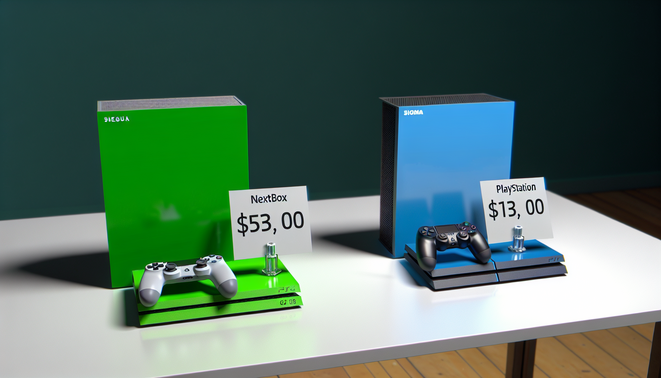
Introduction to Next-Gen Consoles
The gaming landscape is on the brink of transformation with the anticipated releases of the Xbox Next and PlayStation 6. Though official announcements are still pending, speculation about their capabilities and features is rife, drawing attention to the evolving nature of console gaming. Historically, console launches have tended to follow a recurring pricing trend where initial prices hover around $499, with slight deviations based on the hardware specifications and market strategy. For instance, the launch price for the PlayStation 4 was set at $399, while the Xbox One debuted at $499. However, over the last decade, we’ve seen a general inclination towards higher prices for new-generation consoles, driven by advancements in technology such as enhanced graphics processing units (GPUs) and solid-state drives (SSDs). Looking ahead, analysts predict that the next generation may also be impacted by inflation and increased production costs from component shortages, suggesting that gamers could see prices reach upwards of $599 upon launch [Source: Forbes].
Moreover, previous console generations have experienced significant price drops post-launch, often within a year, as manufacturers strive to capture a wider market. This pattern likely indicates that while the initial investment may be steep, savvy gamers may find better deals in the months following release. With the promise of cutting-edge technologies, including augmented reality and cloud gaming integration, both consoles are poised to redefine gaming experiences, further fueling consumer enthusiasm and expectations for performance [Source: Engadget].
Unpacking the Price Rumor
The recent rumors surrounding the pricing of Xbox consoles have generated considerable buzz in the gaming community. Initial speculation emerged from various social media platforms and gaming outlets, suggesting a price point that many gamers found surprising. Notably, sources like VG247 reported prices significantly lower than previous models, stating that the new offerings could redefine affordability in the gaming market.
To assess the credibility of these claims, it is pertinent to examine their origins. A major contributor to these rumors is purported insider information from industry analysts, like Gaming Bolt, who base their predictions on market trends and internal company insights. However, industry experts often caution that such leaks should be taken with a grain of skepticism. The reliability of anonymous sources can vary greatly, and official confirmations from Microsoft have been notably absent.
Moreover, the gaming industry’s reaction to these rumors has been mixed. Enthusiasts express optimism over more affordable pricing, while industry veterans, including figures from major gaming publications, warn against jumping to conclusions based solely on conjecture. A spokesperson from GamesRadar remarked, “It’s essential to wait for official announcements before making any assumptions about prices.” In conclusion, while the discussions surrounding Xbox pricing stir excitement and speculation, it’s crucial to differentiate between rumor and reality, particularly when navigating such a rapidly evolving market.
Comparative Analysis: Xbox vs. PlayStation
The anticipated release of Xbox Next and PlayStation 6 marks yet another chapter in the storied rivalry between these two gaming giants. Historically, both brands have vied for the top position, each carving out a dedicated fan base with significant market influence.
In terms of features, Xbox Next touts an impressive backward compatibility across a wide range of Xbox games, enhanced by its robust hardware capabilities, including support for 8K gaming and higher frame rates. The console is set to deliver an unmatched Game Pass experience that integrates cloud gaming, allowing players to access a vast library of titles seamlessly. Additionally, its commitment to cross-platform play further opens the gaming ecosystem, making it inviting for multiplayer interaction.
On the other hand, PlayStation 6 is expected to leverage its established exclusives, with titles like Horizon and God of War likely playing major roles in its marketing strategy. The presence of innovative features like VR integration could enhance the immersive experience for players. Furthermore, PlayStation has consistently delivered exceptional audio-visual quality, boasting superior graphics and a standout user interface that many users prefer.
Market analysis shows that both consoles are appealing to different segments of gamers. Xbox focuses on value, providing a rich subscription service, while PlayStation cultivates a strong narrative-driven gaming experience through its exclusives. According to recent reports, Xbox is gaining ground in terms of market share, aided by its emphasis on inclusivity and ecosystem expansion [Source: Polygon].
The Economics Behind Console Pricing
Console pricing is influenced by several key factors that reflect both economic principles and dynamic market strategies.
- Manufacturing Costs: The production expenses of gaming consoles, including raw materials, labor, and technology, form the backbone of retail prices. For instance, the introduction of advanced components, like custom processors and higher memory capacity, significantly elevates manufacturing costs. According to TechRadar, the manufacturing cost of the PlayStation 5 is estimated at around $450, which helps explain its retail price approaching $500.
- Technological Advancements: Innovation plays a critical role in console pricing. New technologies not only enhance gameplay experiences but also increase production complexity and costs. For example, the transition to solid-state drives (SSDs) has improved load speeds dramatically but has also added to the console’s price due to the higher cost of these components. As noted by Forbes, improvements in graphics and processing power consistently drive up prices as manufacturers aim to deliver superior products.
- Marketing Strategies and Brand Value: Console pricing is also strategically influenced by marketing decisions and brand positioning. Companies like Sony and Microsoft invest heavily in branding to create perceived value, impacting how much consumers are willing to pay. Exclusive game titles, robust online services, and unique features play into this strategy, as highlighted by NBC News. For example, the attachment of high-profile games as exclusive titles not only drives console sales but can justify a higher price point.
In conclusion, console pricing emerges from a complex interplay of manufacturing costs, technological innovations, and strategic marketing, all working together to shape consumer demand in a highly competitive market. Understanding these factors can help consumers make more informed choices about their gaming investments.
Potential Consumer Impact
The recent pricing strategies adopted by Xbox and PlayStation signal a significant shift in how consumers make purchasing decisions. Gamers are more informed and price-sensitive than ever, reacting strongly to shifts in game or subscription costs. According to a survey, 56% of gamers believe that pricing directly affects their buying choices, often waiting for sales or considering subscription services as a budget-friendly alternative [Source: GamesIndustry.biz].
The introduction of more expensive titles or subscriptions could lead to division among player bases, particularly between Xbox Game Pass users and PlayStation console buyers. Xbox’s move to integrate a robust library of games for a monthly fee could further attract gamers who prefer flexibility, while PlayStation loyalists may hesitate if the perceived value does not align with the subscription costs [Source: VG247].
Long-term implications for consumers may include the necessity of balancing loyalty with value. As titles increase in pricing, players might lean towards platforms that offer the best deals. This could foster a competitive environment, encouraging both companies to innovate on pricing strategies to retain and grow their consumer bases. As a result, gamers might find themselves increasingly swayed by promotional offers and subscription benefits, indicating a trend towards more cost-effective gaming experiences [Source: TechRadar].
Conclusion
As we look ahead to the future of console gaming, several key trends and price dynamics will likely shape the landscape. Increasing competition among manufacturers, such as Sony, Microsoft, and Nintendo, suggests that we may see innovation driven by the need to differentiate product offerings. The rise of subscription models could also impact pricing strategies, as companies like Microsoft with Xbox Game Pass shift consumer expectations towards ongoing access rather than single-game purchases [Source: Polygon].
Additionally, the ongoing advancements in cloud gaming technology promise to alter the traditional console model, allowing for greater accessibility and potential cost savings for gamers [Source: Forbes]. However, this transition comes with challenges, including the need for consistent internet access and potential impacts on gameplay quality.
Moreover, as consumer expectations evolve, there could be significant shifts in how consoles are marketed and sold, with an increasing focus on digital content and community-driven platforms. If trends in eSports continue to grow, they too may influence pricing as consoles become integral to competitive gaming [Source: Sports Business Journal].
In summary, the future of console gaming will likely be characterized by innovative technologies, evolving pricing structures, and a more interconnected gaming community. Adapting to these trends will be crucial for manufacturers aiming to thrive in a rapidly changing marketplace.
Sources
- Engadget – Future Gaming Consoles Trends Analysis
- Forbes – Xbox Next and PlayStation 6: What to Expect
- Forbes – The Cloud Gaming Revolution Could Lead to a Console Price Drop
- Gaming Bolt – Xbox Price Analyst Insights
- GamesIndustry.biz – Consumer Spending 2023 Report
- GamesRadar – Xbox Price Industry Reaction
- NBC News – How Sony Blames Microsoft for Console Price Wars
- Polygon – Xbox Game Pass Price Increases and the Gaming Industry
- Polygon – Xbox Next vs. PlayStation 6 Market Analysis
- TechRadar – The Cost to Make a PlayStation 5 is Much Higher Than You Think
- TechRadar – The Future of Gaming Subscriptions
- VG247 – Xbox Game Pass Growth
- VG247 – Xbox Price Rumor
- Sports Business Journal – eSports Marketing Trends
Recent Comments